Lower Stress and Anxiety Through Art and Creativity
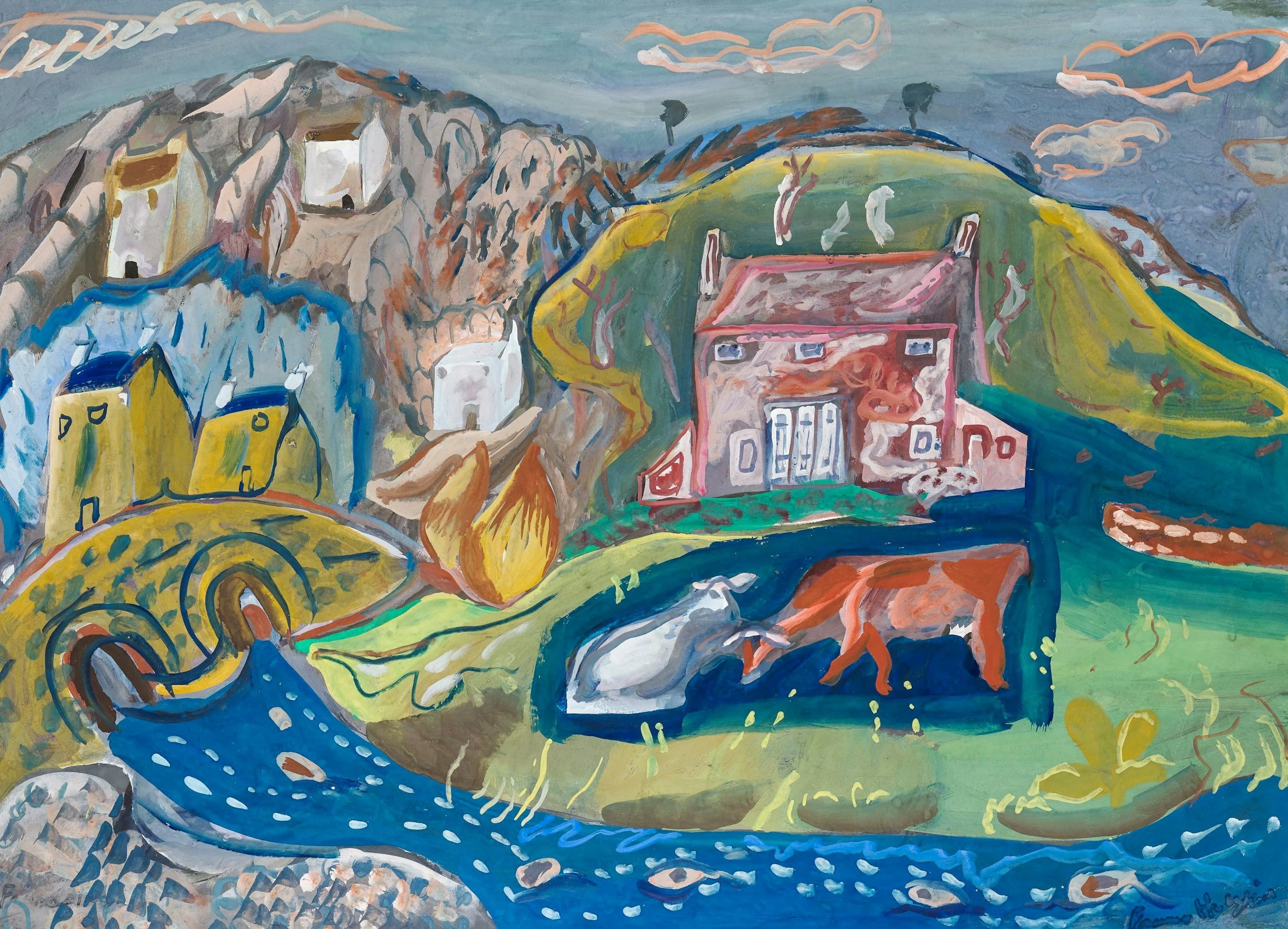
Creativity is a quiet revolution against stress. Picking up a paintbrush, arranging a collage, or doodling a tiny village in the margins of a notebook are small acts with surprisingly big effects. Making art isn’t just about finished pieces or the next social-media-ready photo—it’s a powerful tool for easing anxiety, lowering stress, and building emotional resilience. Here’s why creativity matters, how it helps, and simple ways to make art a reliable part of your mental-health toolkit.
Why Creativity Reduces Stress and Anxiety
Direct relief through flow. When you’re absorbed in a creative project you often enter a state called “flow”: focused, energized, and lost in the moment. Flow quiets the brain’s worry loops and reduces cortisol, the hormone linked to stress.
Safe expression of emotion. Art gives feelings a place to live outside your head. Color, line, and texture let you explore fear, sadness, anger, or joy without the pressure of words. That externalizing of emotion helps you process and make sense of difficult experiences.
Sense of control and accomplishment. Creating something—no matter how small—provides tangible evidence that you can make change. This sense of agency counters helplessness, which fuels anxiety.
Calming the nervous system. Repetitive, rhythmic creative actions (brushing, stitching, blending) can have a meditative effect, lowering heart rate and promoting relaxation.
Shifting perspective. Making art invites curiosity and play, and that shift away from problem-focused thinking helps break negative loops. A new color choice or unexpected mark can mirror new ways of seeing a personal challenge.
Social connection and support. Group art classes and clubs create gentle, nonjudgmental spaces to connect. Shared creativity fosters belonging, reduces isolation, and offers supportive feedback rather than comparison.
Research-Backed Benefits
Multiple studies link art-making to reduced symptoms of anxiety and depression. Artistic activities can lower cortisol and increase positive emotions.
Creative expression strengthens neural pathways involved in problem-solving and emotional regulation.
Art therapy is an established clinical tool precisely because visual expression supports healing when talk alone can fall short.
Creative Practices That Help Right Now
10-minute watercolor break. Set a timer and paint without aiming for perfection. Let color and water guide you—this short ritual can reset your nervous system.
Simple mark-making. Use a pen to draw lines, circles, or dots while breathing slowly. Repetition is soothing and frees up mental space.
Collage of small joys. Cut out colors, textures, or images that feel comforting and glue them onto a page. The tactile process is grounding and uplifting.
Daily one-minute sketch. Keep a tiny notebook; sketch an object or scene for one minute. It trains attention and builds confidence through regular practice.
Group art time. Join a weekly class or art club. The rhythm of creating with others and the gentle accountability of a schedule amplify long-term benefits.
How to Make Art Feel Achievable (and Not Another To-Do)
Keep materials simple and accessible. A few brushes, watercolor pans, a pencil, and scraps of paper are enough to start.
Embrace “good enough.” The goal is expression, not perfection. Celebrate the process over the end product.
Build short rituals. A consistent, low-pressure habit—like ten minutes of paint before dinner—makes creativity a reliable stress-relief tool.
Let play lead. Try unusual tools (sponges, leaves, salt on watercolor) or childlike approaches to loosen up judgment.
Create a comfortable space. A small corner with a favorite mug, a lamp, and your materials invites you to return.
Special Benefits for Adults
Reduces burnout. Creative breaks interrupt the cycle of constant doing, refreshing attention and reducing exhaustion.
Improves concentration and cognitive flexibility. Making art exercises the brain in ways that transfer to planning and problem-solving.
Enhances self-awareness. Repeated creative practice helps you notice internal shifts, recognize triggers, and track progress over time.
Cultivates resilience. Facing creative “mistakes” and learning to adapt them into the piece nurtures a mindset of flexibility that translates to life stressors.
When to Seek Additional Support
Art is a powerful self-care practice, but it’s not a substitute for professional help when anxiety becomes overwhelming or persistent. If your anxiety interferes with daily life, sleep, or relationships, consider reaching out to a mental-health professional. Combining therapy with creative practice is often especially effective.
Try Something Today!
Take five minutes: pull out a pen and paper, breathe deeply three times, and draw three large circles. Fill each circle with a different color or texture—paint, cross-hatching, dots. Notice how your shoulders change, what thoughts soften, and how your breathing steadies. That small pause is exactly the kind of gentle, creative reset that adds up.
If you’re not sure where to start, come on in and explore The Creative Art Village. Freedom to create at every level and filled with interesting, joyful and beginner-friendly projects, we are here to help you live your best creative life!