
Artist Trading Cards (ATCs): Tiny Canvases, Big Joy
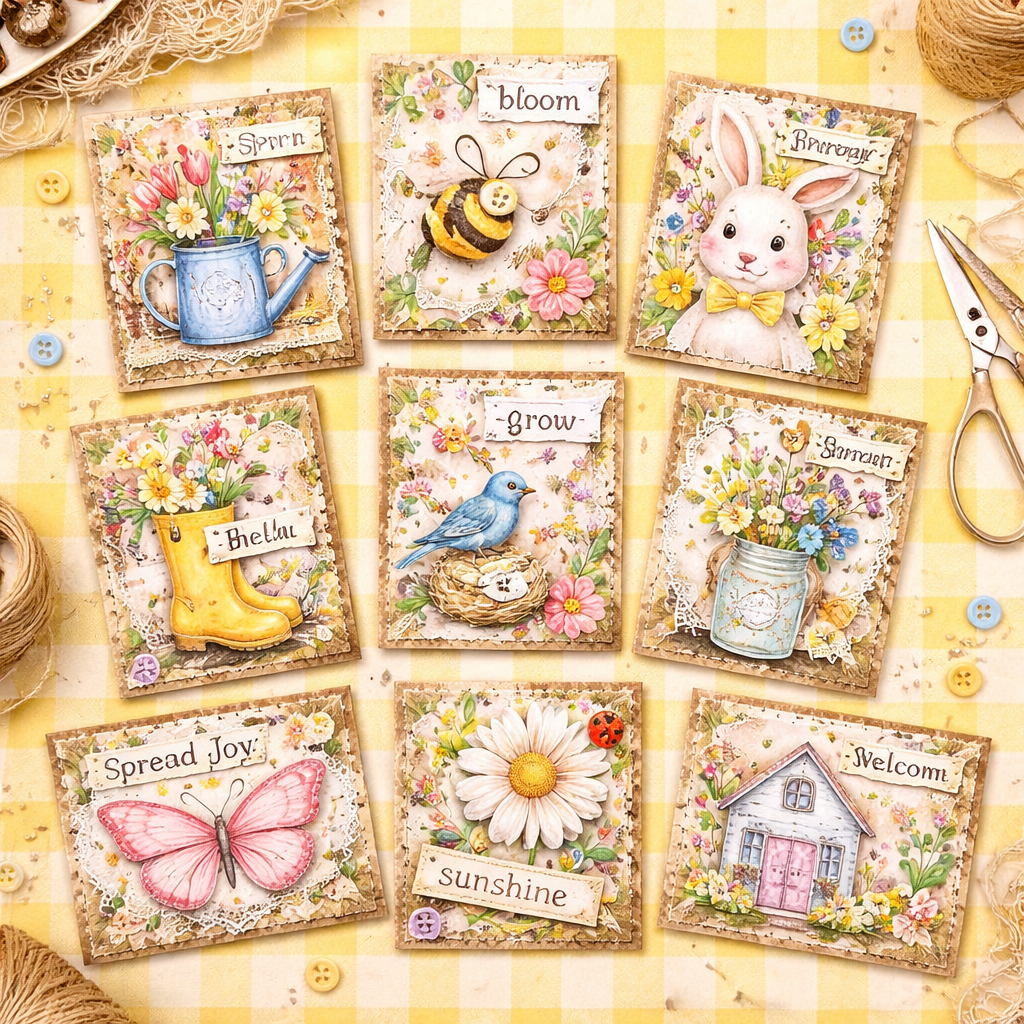
Artist Trading Cards (ATCs) are small, portable works of art—typically 2.5 x 3.5 inches—that invite creativity, experiment, and connection. They’re perfect for a cozy evening of play, a quick creative break, or a focused series of pieces that build into a collection. At Glimmerbug Handmade Art, we love ATCs because they’re bright, playful, and perfectly suited to watercolor, mixed media, and whimsical subjects like owls, birds, and tiny villages.
Here’s why ATCs are so enjoyable and how to get started making your own.
Why ATCs are so much fun
Low pressure: Their small size makes any project feel manageable. You can finish a piece in 15–45 minutes, which keeps momentum and reduces perfectionism.
Experimental: Try new techniques, color combinations, or supplies without committing to a larger work. Mistakes become discoveries.
Collectible & social: ATCs are designed to be traded. Swapping cards connects you with other artists and builds a miniature portfolio you can display.
Series potential: A single theme across many cards creates a cohesive body of work and teaches consistency and variation.
Portable: They’re easy to take to class, clubs, or travel—great for in-studio and online classes alike.
Materials to gather
Cardstock or watercolor paper cut to 2.5" x 3.5" (standard ATC size). Heavy-weight watercolor paper or mixed-media paper works best for wet techniques.
Watercolor paints (tubes or pans) and brushes: a round brush in sizes 6–10 is versatile.
Black ink pen or waterproof fineliner (0.1–0.5 mm) for outlines and details.
White gel pen for highlights.
Collage scraps: patterned paper, old book pages, tissue paper.
Acrylic paints, colored pencils, markers, or pastel sticks for mixed media layers.
Adhesives: glue stick, matte medium or glue for heavier elements.
Optional: stamps, stencils, embossing powder, washi tape, sequins, tiny charms.
Basic process (simple, repeatable workflow)
Prep your base: Cut and round the corners if you like. Lightly tape edges to a board if you’ll be using lots of water.
Plan quickly: Sketch a simple composition in pencil—one focal element per card works well. Think small scale: a bird, an owl face, a tiny house, a moon, or a floral sprig.
Block in color: Lay down a loose watercolor wash for background color. Keep it light and let it dry. Use wet-on-wet for soft blends or wet-on-dry for more control.
Build layers: Add mid-tones and darker values to create depth. For mixed media, glue down collage elements now and paint over them to unify the piece.
Add details: Use fineliners, colored pencils, or white gel pen to refine eyes, roofs, textures, or tiny patterns.
Sign and date the back: Many artists also add a title and contact info if they plan to trade. Consider numbering if part of a series.
Protect if needed: A spray fixative for pencil work or a thin layer of matte medium can seal fragile layers.
Tips for success
Think like a thumbnail artist: Because of the tiny size, compositions should be bold and simple—clear shapes and readable values matter more than intricate detail.
Use contrast: Strong darks and lights read well at small scale. A pop of white or a bold dark outline makes elements pop.
Limit your palette: Three to four colors keeps cards cohesive and faster to execute.
Texture = interest: Salt on wet watercolor, dry brushing with acrylic, or torn paper edges add tactile appeal.
Work in series: Make 4–12 cards around a single theme—this boosts creativity and gives you shareable sets.
Keep a sketchbook: Tiny thumbnail studies help plan compositions before committing to the card.
Embrace imperfection: Little variations and uneven edges are part of the handmade charm.
Theme and idea prompts to get started
Feathered Friends: Owls, sparrows, hummingbirds—play with different poses and expressive eyes.
Mini Villages: Tiny cottages, lamp-posts, little roofs—try a series of nighttime, dawn, and sunset cards.
Moon Phases & Skies: Full moon, crescent, star-splashed blue, aurora washes.
Botanical Bits: Single stems, sprigs, seed pods, succulents in tiny pots.